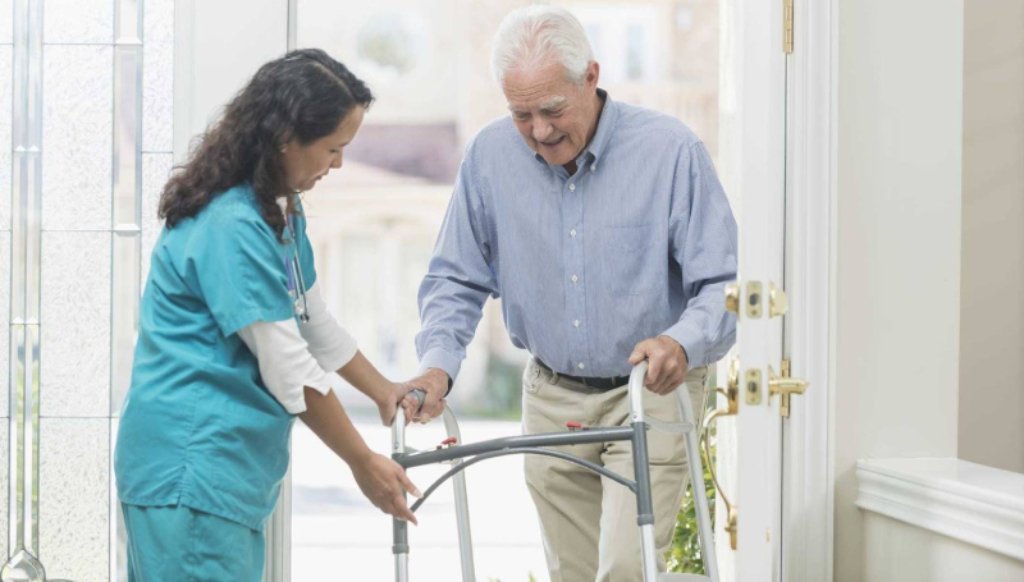

As parents or elderly family members age, it can be challenging to determine when they need additional support. While most seniors want to remain independent for as long as possible, families in New Jersey often do their best to help — until a time comes when professional care becomes essential. Identifying the early signs can help ensure your loved one stays safe, healthy, and comfortable at home. Below are key indicators that it may be time to consider a Home Health Aide in NJ:
Difficulty Managing Daily Activities
If your loved one is having trouble with routine tasks such as bathing, dressing, grooming, or preparing meals, it may be a sign that they need extra assistance. These tasks — known as Activities of Daily Living (ADLs) — are essential for maintaining independence, and difficulty completing them safely is often an early signal that at-home support could greatly improve their well-being.
Frequent Forgetfulness or Confusion
While occasional forgetfulness is normal, repeated confusion, missed appointments, misplaced items, or trouble managing daily routines may indicate cognitive decline. Many seniors in New Jersey experience early-stage dementia or memory-related issues. A Home Health Aide in NJ can help manage medications, maintain schedules, and provide an extra layer of safety and supervision.

Declining Personal Hygiene
If you notice your loved one wearing the same clothes often, skipping baths, or no longer grooming themselves, it could be because they feel overwhelmed or physically unable to manage these tasks. A Professional Caregiver can offer gentle, respectful support to help them maintain good hygiene and rebuild confidence.
Increased Risk of Falls
Falls remain a leading cause of injury among seniors, especially in multi-level homes common across NJ. Signs such as unsteadiness, grabbing onto furniture for balance, or experiencing recent falls should be taken seriously. A Home Health Aide can provide mobility assistance and help create a safer living environment.
Difficulty Managing Medications
For seniors taking multiple prescriptions, managing medications can quickly become confusing and risky. Missed doses or accidental double-dosing can lead to serious health complications. If you’ve noticed medication mismanagement, a trained caregiver can provide timely reminders and help maintain a safe routine.
Withdrawing From Social Activities
Isolation becomes common as mobility or health declines. If your loved one is no longer attending social events, skipping religious services, or avoiding interaction with friends and neighbors, it may be a sign of loneliness or depression. Companion Care Services can offer emotional support, companionship, and meaningful engagement.
Neglected Home Environment
A cluttered, messy, or poorly maintained home can indicate that your loved one is overwhelmed. Overflowing laundry, expired food, unopened mail, or unwashed dishes may all signal that they’re unable to keep up with household responsibilities. An at-home aide can help keep their living space clean, organized, and comfortable.

Final Consideration
Recognizing these signs early can make a big difference in ensuring your loved one receives the care they need. Home Health Care Agencies in NJ provide personalized support that enhances safety, promotes independence, and improves overall quality of life.
If you’ve noticed one or more of these warning signs, now may be the time to explore compassionate home care options. Consider trusted assistance from a Home Health Aide in NJ through CareBridge Home Health Care.